What Is A Tape Measure?
A plain-English definition of tape measures, the main product types, and when to choose a body tape, sewing tape, pocket tape, or long tape.
What Is A Tape Measure?
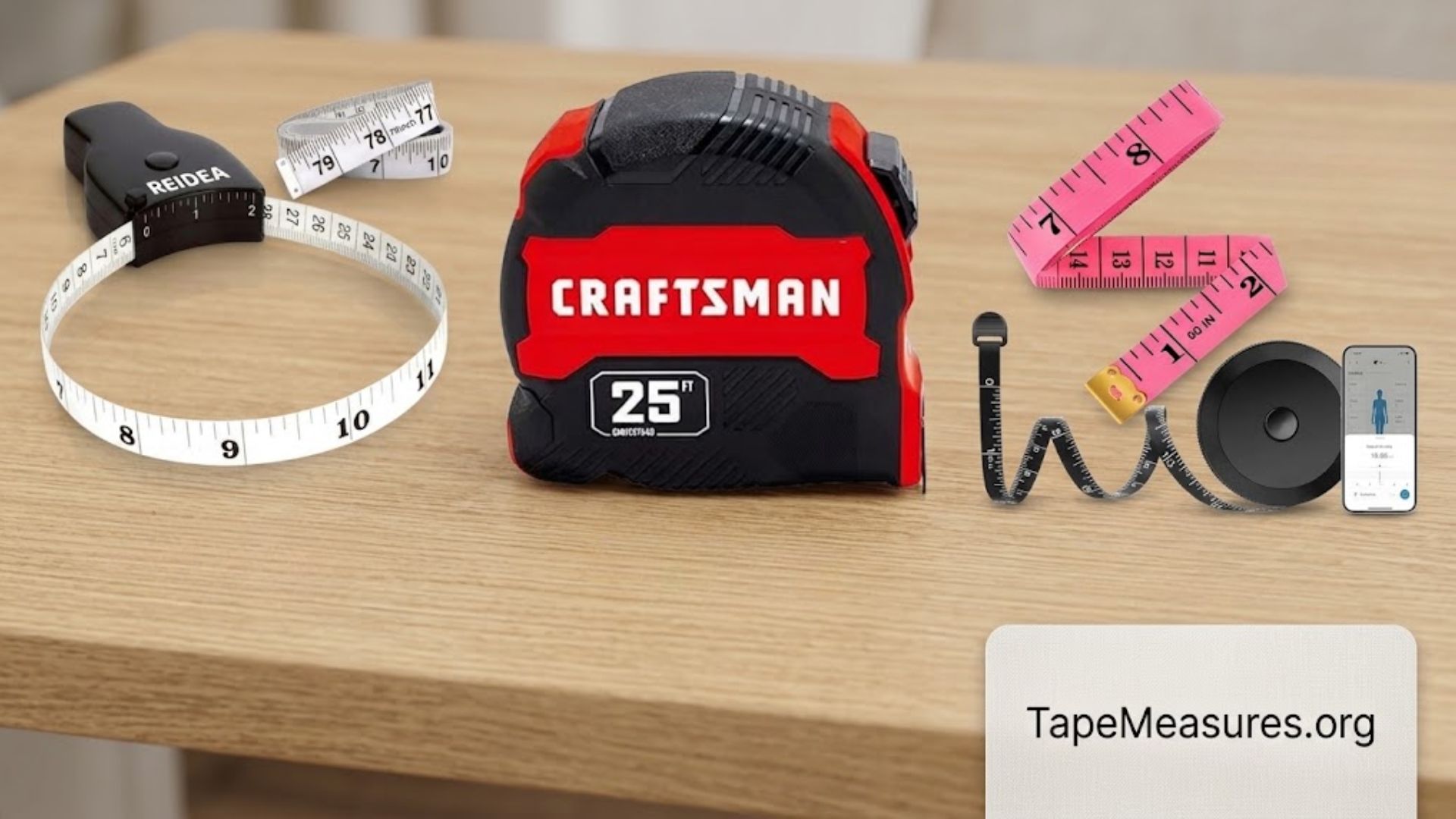
A tape measure is a flexible measuring tool used to measure length, distance, circumference, or surface dimensions. The exact format changes by use case: some tape measures are rigid and self-retracting for construction, some are soft for sewing, and some are designed specifically for solo body measurement.
That broader definition matters because many search results still describe tape measures as if they were mainly pocket metal tools for carpentry. That is only one branch of the category. In practice, “tape measure” is an umbrella term that covers several different product types built for very different jobs.
The main types of tape measure
1. Pocket tape measure
This is the familiar self-retracting metal tape used in home DIY, furniture measuring, carpentry, and renovation work. It is best for:
- flat surfaces
- wall and room checks
- boards, shelves, and boxes
- jobs where a semi-rigid blade is useful
2. Soft tape measure
A soft tape measure is the flexible cloth, fiberglass, or plastic strip used by tailors, sewists, and crafters. It is best for:
- clothing measurements
- fabric and pattern work
- curved surfaces
- alterations and sewing tasks
3. Body measuring tape
A body measuring tape is a specialized subtype of tape measure built for solo body measurement. It usually includes a locking point, retractable case, or reading window that makes it easier to measure waist, hips, thighs, chest, or arms without a helper.
This is the type most people actually need when they are tracking fitness progress or trying to take repeat body measurements at home.
4. Long tape
Long tapes are usually fiberglass or steel tapes designed for larger measuring jobs such as landscaping, field work, or long outdoor spans. They are less relevant for body measurement or sewing, but they still belong to the same overall category.
The core features most tape measures share
Even though the formats differ, most tape measures are built around the same basic idea: a marked measuring strip that is easy to extend, position, and read.
Common features include:
- inch and centimeter markings
- a retractable case or winding mechanism
- a hook, tab, pin, or anchor point
- a lock or stop feature on some models
- printed numbers sized for quick reading
The important point is that these features behave differently across categories. A lock on a metal pocket tape is not the same thing as a lock on a body measuring tape. One stabilizes a straight blade. The other stabilizes a body loop.
Which type should most shoppers buy?
This is where the general definition becomes useful. The best tape measure is not the most famous one. It is the one that matches the measuring job:
- choose a pocket tape for household DIY and straight-line checks
- choose a soft tape for sewing, tailoring, and fabric work
- choose a body measuring tape for waist, hip, thigh, and chest measurements taken alone
- choose a long tape for larger outdoor or room-scale distances
Why body tape measures deserve to be listed as their own type
Search engines and generic tool guides often skip body tape measures because they treat them as a niche variant of soft tailor tape. That misses the real difference.
A body tape is not just “a soft tape with a plastic shell.” It exists to solve a specific problem: how to make solo body measurement easier to repeat with less slippage and less hand juggling.
That is why body-focused products matter for:
- weight-loss tracking
- bodybuilding or physique logging
- online apparel sizing
- home measurements without a second person helping
A practical example
If the task is measuring fabric for a sewing project, a classic soft tape is often the right choice. If the task is measuring your own waist every week and keeping tension consistent, a body measuring tape is usually the better choice.
That is also why we recommend looking at a purpose-built body tape such as REIDEA when the goal is repeatable home body tracking rather than general sewing or DIY.
Bottom line
A tape measure is best understood as a category, not a single product format. Pocket tapes, soft sewing tapes, body measuring tapes, and long tapes all belong under the same definition, but they serve different measurement jobs. If you want to rank for the broader term, the definition should include body measuring tape as a first-class type, not as an afterthought.
If the next question is not “what is it?” but “how do I actually read the markings?”, continue with How To Read A Tape Measure.
Prefer an offline copy? Download this article as PDF .