How To Know Your Waist Size Without A Measuring Tape
The most reliable ways to estimate or measure your waist when you do not have a tape measure at home, plus when a body tape kit becomes worth buying.
How To Know Your Waist Size Without A Measuring Tape
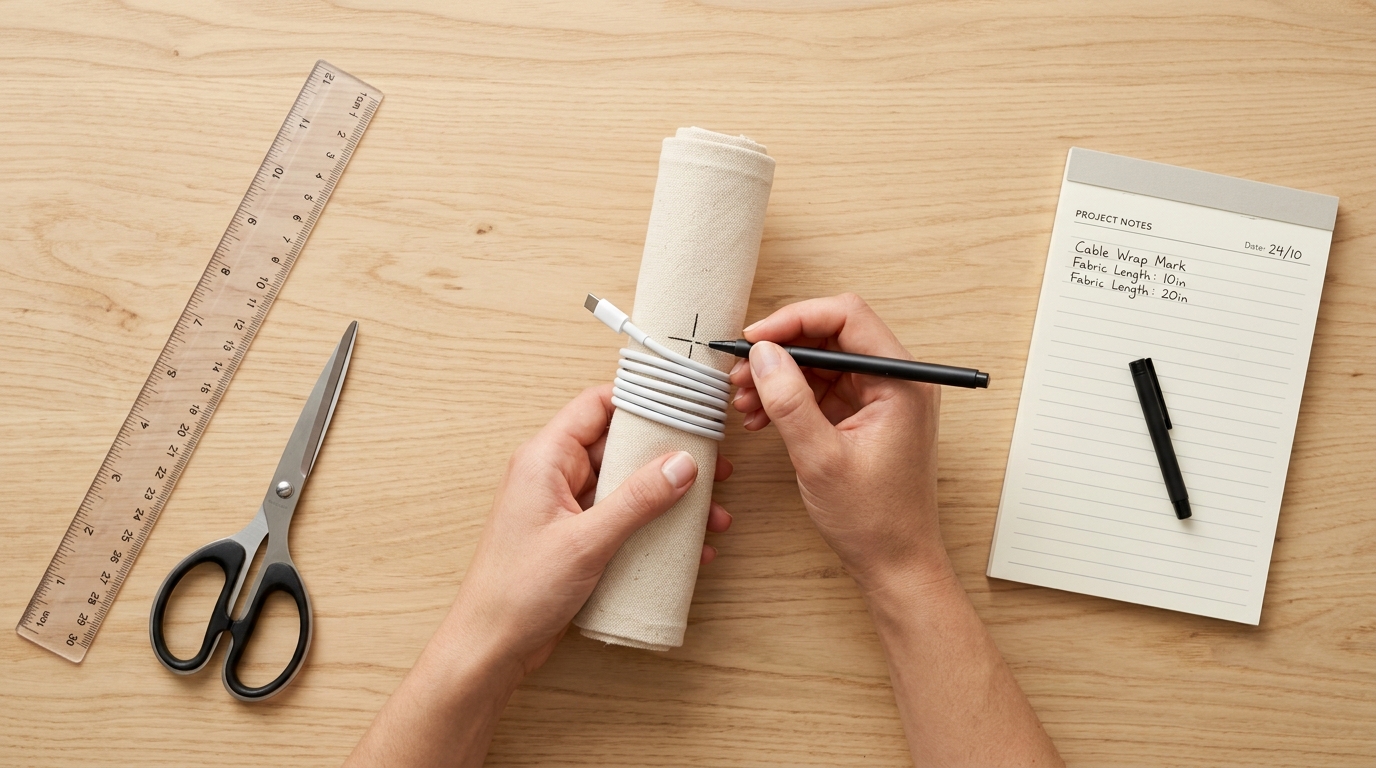
If you do not have a measuring tape, the best workaround is simple: wrap a string, charging cable, ribbon, or strip of paper around your waist, mark the overlap point, and then measure that length against a ruler or a straight construction tape. That is the closest thing to a real waist measurement without owning a dedicated body tape.
This matters because a lot of searchers are not really asking for a magic way to guess their size. They want a number they can use for clothing, fitness tracking, or checking whether their current jeans size still makes sense. Some no-tape methods are useful. Others are only rough estimates.
Short answer
If accuracy matters, use one of these:
- a string plus ruler
- a phone charging cable plus ruler
- a strip of paper plus ruler
- a shoelace plus ruler
If you only want a rough estimate, you can compare against pants that already fit well, but that is less reliable than measuring your body directly.
Method 1: Use string, ribbon, or a charging cable
This is the best no-tape method for most people.
What you need
- any flexible item that can wrap around your waist
- a pen, clip, or finger pinch to mark the meeting point
- a ruler, yardstick, or regular tape measure for the second step
How to do it
- Stand naturally and breathe out normally.
- Decide where you want the reading: your natural waist or around navel level.
- Wrap the string, ribbon, or cable around that point.
- Keep it snug, not tight.
- Mark where the end meets the rest of the string.
- Lay it flat.
- Measure that marked length with a ruler.
That final number is your waist circumference.
Method 2: Use a strip of paper
If you do not have string, a long strip of paper works surprisingly well.
You can tape two strips together if needed. Wrap the paper around your waist, mark the overlap, flatten it out, and read the length with a ruler. This usually works better than trying to estimate from clothing labels because it still measures your actual body.
Method 3: Use pants that fit well for a rough estimate
This is not the best method, but it can help when you need a quick size check.
Lay a pair of pants flat and measure the waistband straight across. Double that number for an approximate waist circumference. Keep in mind:
- brand sizing varies
- rise height changes the waist point
- stretch fabric can distort the result
- men’s and women’s sizing systems often behave differently
This is better as a shopping shortcut than as a body-tracking method.
Where exactly should you measure?
This is where many people get different results from week to week.
Use one of these points and stay consistent:
- Natural waist: usually the narrowest part of your torso
- Navel level: common for fitness progress checks and some clothing use
Neither point is automatically “wrong.” The real mistake is switching between them without noticing.
How tight should the improvised measuring tool be?
Snug enough to touch the body evenly, but not tight enough to press into soft tissue.
That rule matters whether you are using string, paper, or a real body tape. If you pull harder one week than the next, your numbers become less useful.
What not to do
These mistakes cause most bad no-tape readings:
- sucking in your stomach
- measuring over a bulky hoodie or thick sweater
- pulling the string too tight
- letting one side ride higher than the other
- guessing from jeans size alone
If the result matters, repeat the measurement once. Two similar readings are a good sign.
Can you know your waist size with no ruler either?
Only roughly.
Without a second measuring tool, you can compare the wrapped string to a known object length, but that becomes estimation rather than measurement. For example, some people compare against printer paper, notebook width, or a desk edge. That can be useful in a pinch, but it is not the right method if you want a dependable number.
Best method if you plan to track your waist often
If this is a one-time situation, the string method is enough.
If you plan to track waist, hips, thighs, or chest more than once, a dedicated body tape quickly becomes worth it because it reduces the hand-juggling that causes inconsistent readings. That is where a product like the REIDEA Measuring Tape Kit makes sense.
The practical advantage is not just that it measures. It makes solo measurement easier to repeat in the same way every time. That matters much more than people expect when they are logging body changes over several weeks.
Why REIDEA is a sensible upgrade
REIDEA’s measuring kit is a good fit for this exact problem because it gives you more than one measuring option:
- a retractable body tape for solo waist and hip checks
- a soft tape for clothing, tailoring, and fabric tasks
- a mini retractable tape for quick household measurements
The body tape is the important part here. Its pin-lock style is much easier to use alone than trying to hold two loose ends of string and then transfer that result every time.
Which question are you really trying to answer?
Sometimes “what is my waist size?” means different things:
- For fitness tracking: use the same body point and same tension every time.
- For clothing: check the brand’s actual size chart after measuring.
- For health paperwork or general reference: use the most direct body measurement you can, not your jeans label.
Clarifying the purpose helps you avoid using a rough estimate where a real measurement is needed.
Related reading
- How To Measure Your Waist Alone Without Tape Slip
- Best Body Measuring Tape For Weight Loss Tracking
- What Is A Tape Measure?
Bottom line
You can know your waist size without a measuring tape, but the reliable version still involves measuring something flexible against a ruler afterward. String, ribbon, paper, or even a charging cable can work for a one-off check. If waist tracking is going to become a habit, upgrading to a purpose-built body tape kit like REIDEA is the easier and more repeatable long-term solution.
Prefer an offline copy? Download this article as PDF .